
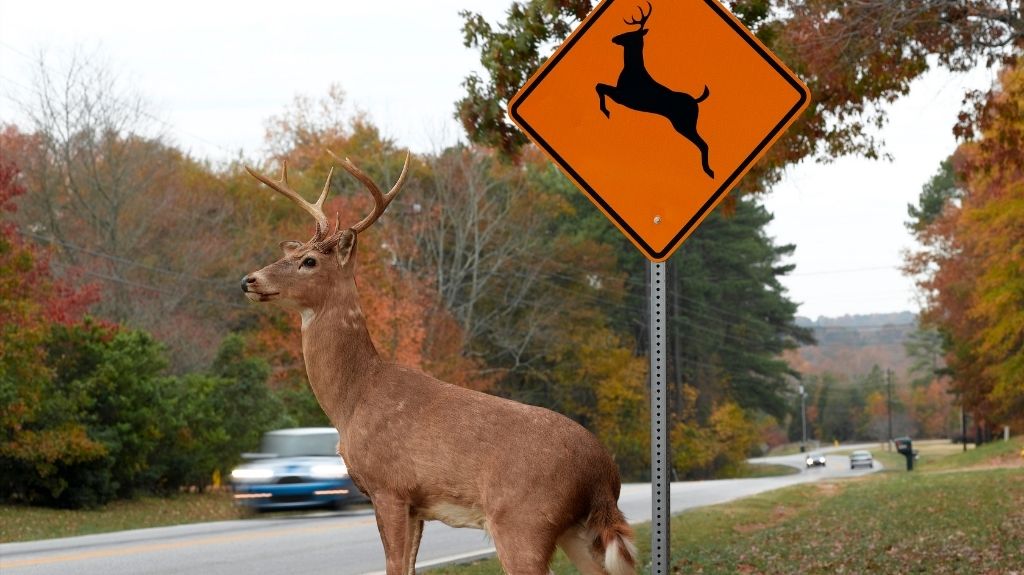
Most Dangerous Highways for Deer and Wildlife Strikes in the U.S.
Animal strikes are a primary concern for commercial truck drivers with an estimated 1.7 million – 1.9 million animal strikes by U.S. drivers each year. This very real risk can impact productivity for freight companies and owner-operators — and can be a true safety risk for drivers behind the wheel. Freight companies that want to avoid costly downtime and damage to trucks may want to know about the most dangerous highways for deer and wildlife strikes in the U.S.
States and Regions with the Most Deer and Wildlife Strikes
When you take a deeper look at the most dangerous highways for deer and wildlife strikes in the United States, it is important to zoom out and look at the states and regions where these collisions are more likely to occur. This will help you better understand the dangers when you travel across the country. The odds of hitting a deer or other animal is influenced by a variety of factors — the volume of wildlife, the volume of traffic, the time of year, time of day, and more. Peak mating season for deer and other animals in October, November, and December will see a higher volume of animal strikes, especially in the early morning and evening when animals are more active.
Odds of Hitting Deer and Wildlife by State
- West Virginia – 1 in 40 Odds
- Montana – 1 in 53 Odds
- Wisconsin – 1 in 58 Odds
- Michigan – 1 in 61 Odds
- Pennsylvania – 1 in 62 Odds
- South Dakota – 1 in 73 Odds
- Iowa – 1 in 76 Odds
- Mississippi – 1 in 77 Odds
- Virginia – 1 in 82 Odds
- Wyoming – 1 in 83 Odds
- Minnesota – 1 in 86 Odds
- North Dakota – 1 in 91 Odds
- North Carolina – 1 in 92 Odds
- South Carolina – 1 in 93 Odds
- Maine – 1 in 94 Odds
- Arkansas – 1 in 95 Odds
- Missouri – 1 in 97 Odds
- Kansas – 1 in 103 Odds
- Kentucky – 1 in 105 Odds
- Ohio – 1 in 105 Odds
- Vermont – 1 in 108 Odds
- Georgia – 1 in 109 Odds
- Indiana – 1 in 109 Odds
- Maryland – 1 in 115 Odds
- Massachusetts – 1 in 117 Odds
- Alabama – 1 in 118 Odds
- Tennessee – 1 in 121 Odds
- Oklahoma – 1 in 126 Odds
- Delaware – 1 in 136 Odds
- Rhode Island – 1 in 140 Odds
- Idaho – 1 in 154 Odds
- Nebraska – 1 in 155 Odds
- New York – 1 in 167 Odds
- Illinois – 1 in 182 Odds
- New Hampshire – 1 in 189 Odds
- Louisiana – 1 in 218 Odds
- Oregon – 1 in 219 Odds
- Texas – 1 in 222 Odds
- New Jersey – 1 in 226 Odds
- Utah – 1 in 251 Odds
- Colorado – 1 in 258 Odds
- Connecticut – 1 in 284 Odds
- New Mexico – 1 in 292 Odds
- California – 1 in 419 Odds
- Washington – 1 in 435 Odds
- Florida – 1 in 575 Odds
- Arizona – 1 in 577 Odds
- Alaska – 1 in 661 Odds
- District of Columbia – 1 in 794 Odds
- Hawaii – 1 in 907 Odds
- Nevada – 1 in 966 Odds
Most Dangerous Regions and Highways for Animal Strikes in the U.S.
Drivers will find that there are a trio of regions where animal strikes are more prevalent in the U.S. This is dictated by broader statistics that include animal population and traffic patterns — but even in these regions, there are highways that have proven to be more dangerous than others.
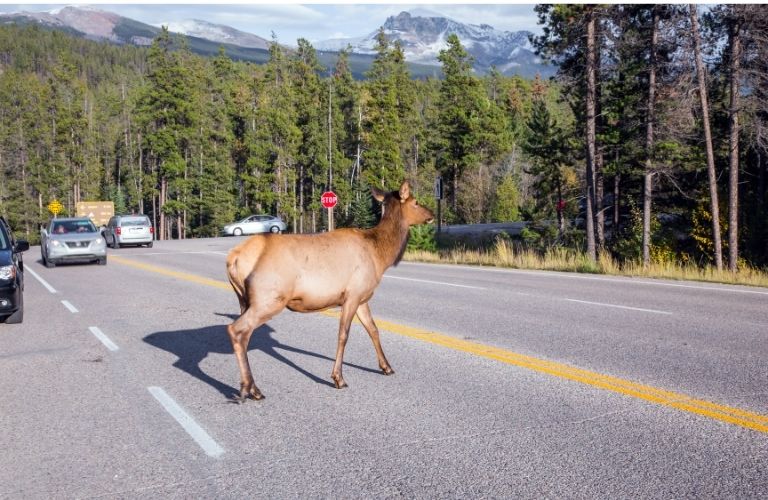
Midwest and Appalachia
Four of the top five states where animal strikes are most likely fall into this region — West Virginia, Wisconsin, Michigan, and Pennsylvania. Wisconsin, Pennsylvania, and Michigan have some of the highest deer populations in the country, and West Virginia is not far behind. When combined with major commercial traffic corridors, it translates to dangerous roads.
- Wisconsin: Interstate 94 and Interstate 13
- Pennsylvania: Interstate 80 and Interstate 90
- West Virginia: Interstate 81, Interstate 70, and Route US-33
- Michigan: Interstate 96, Interstate 75, Route US-23, and Route US-31
Mountain West
Truck drivers who drive in the Mountain West — Montana, Colorado, and Wyoming in particular — have pretty high odds of seeing mule deer and elk in the region. With high-traffic commercial truck corridors and high wildlife populations, these states are notorious for animal collisions.
- Montana: U.S. Highway 93, U.S. Highway 191, U.S. Highway 89, and State Highway 83
- Wyoming: Interstate 80, U.S. Highway 189, U.S. Highway 26, and U.S. Highway 14
- Colorado: U.S. Highway 40, Interstate 70, and Interstate 25
Pacific Northwest
Oregon in the Pacific Northwest is notorious for deer, elk, and other wildlife at different parts of the year. With highways that intersect with mule deer and elk migration routes, Oregon can prove to be very dangerous in the fall and in the spring when animals are moving from winter ranges to summer ranges.
- Oregon: U.S. Highway 20 – Between Bend and Sisters
How Does a Grille Guard Protect Against Animal Strikes?
Freight companies and owner-operators that operate in these regions or other parts of the country where wildlife collisions are a real danger can add an extra layer of protection with a high-quality grille guard. Grille guards protect key components of your truck, like the headlights, radiator, and engine block, by absorbing the kinetic energy of an impact and deflecting the animal away from the front end. A high-quality grille guard does this by absorbing energy, force deflection, direct frame marketing, and protection of vital engine components.
READ MORE: Top 5 Most Dangerous Trucking Routes in the United States
When you do a lot of driving across the country, deer and other wildlife can prove to be a challenge and a risk. We hope that this list of the Most Dangerous Highways for Deer and Wildlife Strikes in the U.S. will help you be more aware when you are on the road.
Contact RIGGUARD today for more information about our high-quality grille guards!