

3 Common Myths About Semi Truck Grille Guards
We all have preconceived notions about one thing or another, and truck drivers and freight companies are no different. When it comes to semi truck grille guards, many drivers, owner-operators, and fleet managers have misconceptions, and we are here to shed light on them at RIGGUARD with our list of 3 Common Myths About Semi Truck Grille Guards.
What Are Common Misconceptions About Semi Truck Grille Guards?
When a trucking and freight company makes a decision to invest in equipment, it triggers closer scrutiny by managers and owners, and at times that scrutiny can lead to misconceptions. These myths and misconceptions can impact the decision-making process. While semi truck grille guards represent an investment for freight companies, the benefits of a grille guard tend to outweigh the potential drawbacks, and when you add a little context to common misconceptions, it paints a different picture and reveals the truth.
1. Grille Guards Are Just for Deer and Animals
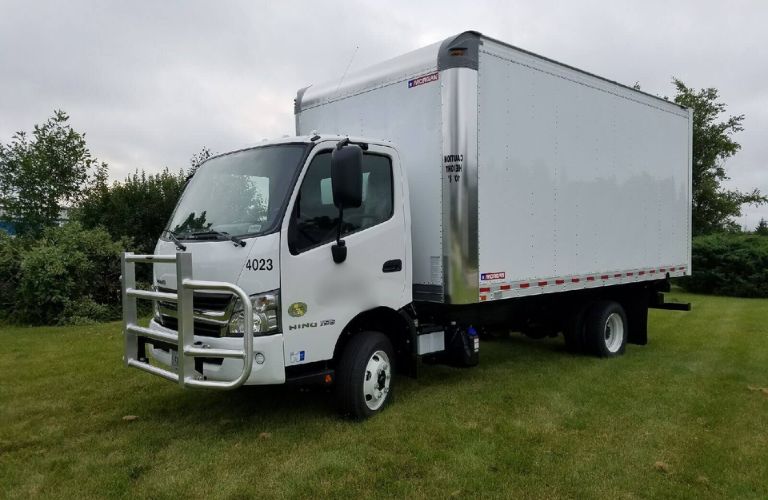
Maybe the most common misconception about semi truck grille guards is that their primary purpose is to protect against whitetail deer, moose, and other animals in rural areas or more remote trucking corridors where animal strikes are more common.
The truth is that grille guards protect against much more than animal strikes on rural highways. A grille guard protects key truck components from accidents in bumper-to-bumper traffic, accidents in extreme weather, or minor incidents like bumping a loading dock or guard rail. Industry data has shown that fleets that implement grille guards can reduce the number of towable incidents by an estimated 80%.
2. Grille Guards Reduce Fuel Economy
Fuel costs represent an estimated 20% – 40% of a freight company’s budget, and when one financial element has that significant of an impact, it is important to look at every variable. There is a common misconception that a semi truck grille guard will reduce fuel economy by adding extra weight and impacting aerodynamics.
The reality is that high-quality grille guards are designed to minimize the impact on aerodynamics and fuel efficiency. When you incorporate high-strength, lightweight materials like aluminum or composites, the impact of a grille guard on fuel economy is minimal. Industry studies have shown that even a full-coverage grille guard will only impact fuel efficiency by an estimated 50 gallons per 125,000 miles.
3. Grille Guards Provide No ROI When Not in an Accident
What happens if a truck equipped with a semi truck grille guard is never in an accident? The common misconception is that when a fleet vehicle with a grille guard is never involved in a front-end accident, there is no Return on Investment (ROI).
Freight companies that treat grille guards as an insurance policy may come to a different conclusion. Minor accidents, incidents, and collisions with road debris or loading docks are far more common, and even if the damage does not put a fleet vehicle out of commission, it can damage key pieces and components of a truck — like radar collision avoidance systems that are very expensive to replace. When a truck is involved in an incident without the protection provided by a grille guard, it can cost an estimated $10,000 – $15,000 to repair. By implementing a grille guard and avoiding just a few incidents and the repairs associated with them, a trucking company will see a significant return.
READ MORE: How Much Does Vehicle Downtime Cost Trucking Companies?
Are you interested in semi truck grille guards for your fleet? Do you have questions about grille guards based on common misconceptions? We hope that this list of 3 Common Myths About Semi Truck Grille Guards has answered your questions and dispelled your misconceptions.
Contact TenTrucks today for more information about RIGGUARD products!